Blog
Color temperature in video: how lighting warmth shapes your audience's perception
Color temperature runs from warm orange (2000K) to cool blue (6500K) and shapes emotional tone before a word is spoken. Here's how to choose deliberately.
Color temperature runs from warm orange (2000K) to cool blue (6500K) and shapes emotional tone before a word is spoken. Here's how to choose deliberately.
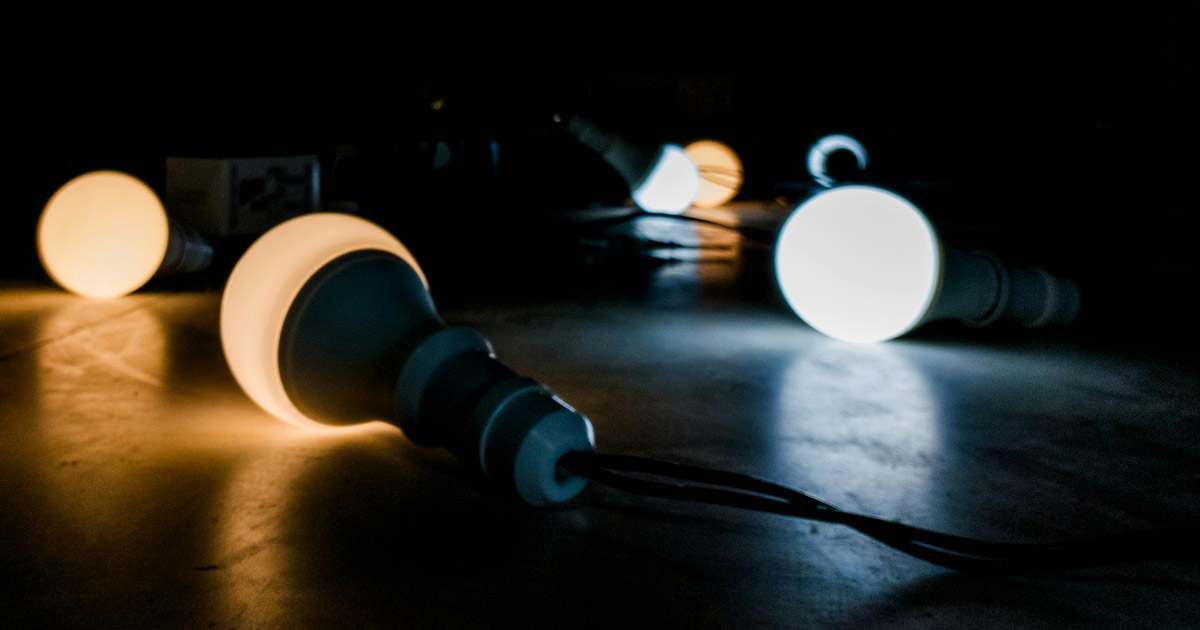
Color temperature describes the warmth or coolness of a light source, measured on the Kelvin scale. Lower numbers (roughly 2000 to 3500K) produce warm, orange-tinted light. Mid-range values (around 4000 to 5000K) produce neutral, balanced light. Higher numbers (5000 to 6500K) produce cool, blue-tinted light.
The light bulbs in your office have a color temperature. So does the sky, depending on the time of day. So does every light a video crew brings to a shoot.
Warm lighting creates intimacy. It's the temperature of candlelight, of late afternoon sun, of spaces where people feel comfortable. For hospitality brands, community organizations, or anyone whose story centers on people and relationships, warmer tones tend to serve the message well.
Cool lighting communicates precision and professionalism. It reads as clean and modern. Tech companies, healthcare providers, and brands emphasizing performance or efficiency often benefit from cooler color temperatures.
Neither is inherently better. The question is which one serves the story you're telling.
Intentionally mixing warm and cool sources in a single frame creates depth and visual interest. Done deliberately, it looks sophisticated. Done accidentally, it looks like an oversight. The difference is intention.
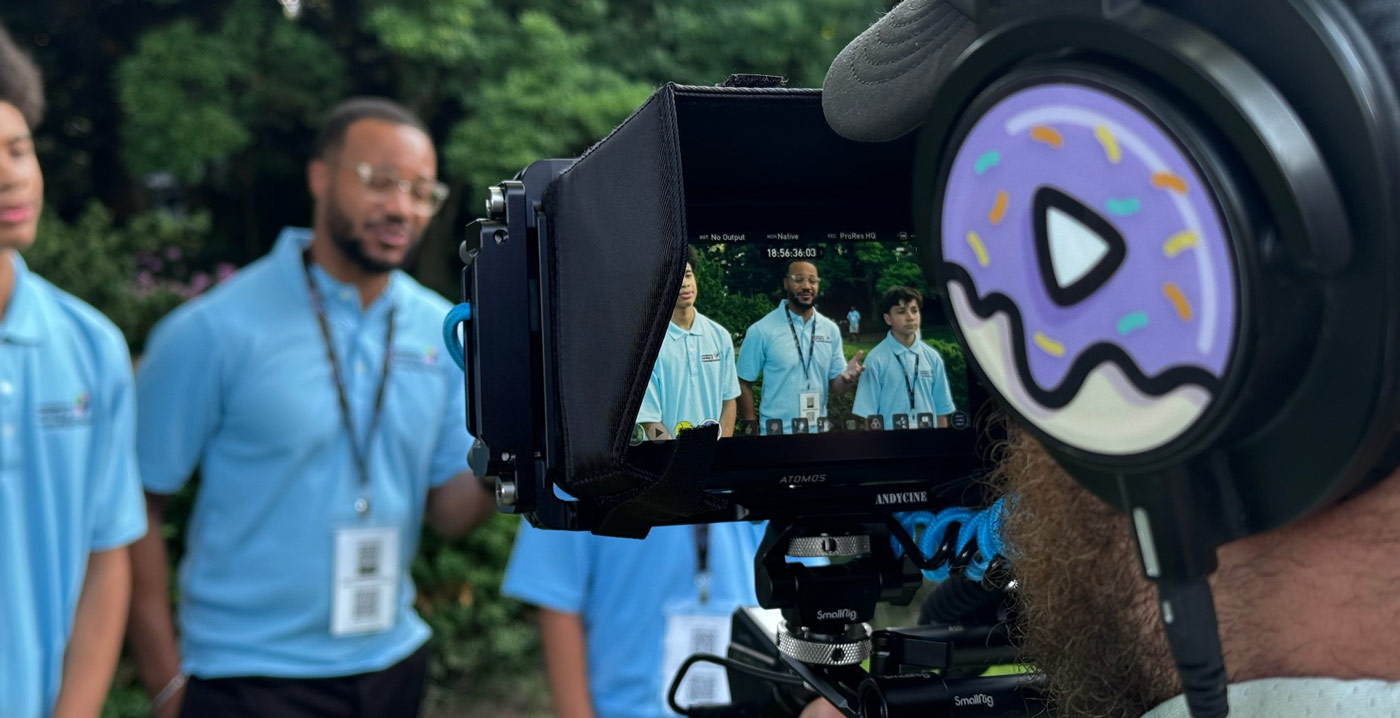
At Purple Donut Studios, lighting decisions start with the story and work backward. What do we want the audience to feel in this scene? What does the brand's visual identity call for? What's practical given the location and the schedule?
If your current video content doesn't feel quite right and you can't figure out why, lighting is often the place to start looking. Let's talk.