Blog
What is timecode, and why does it matter in professional video editing?
Timecode gives every video frame a unique address, making multi-camera sync and precise audio alignment possible. Here's what it is and why crews depend on it.
Timecode gives every video frame a unique address, making multi-camera sync and precise audio alignment possible. Here's what it is and why crews depend on it.
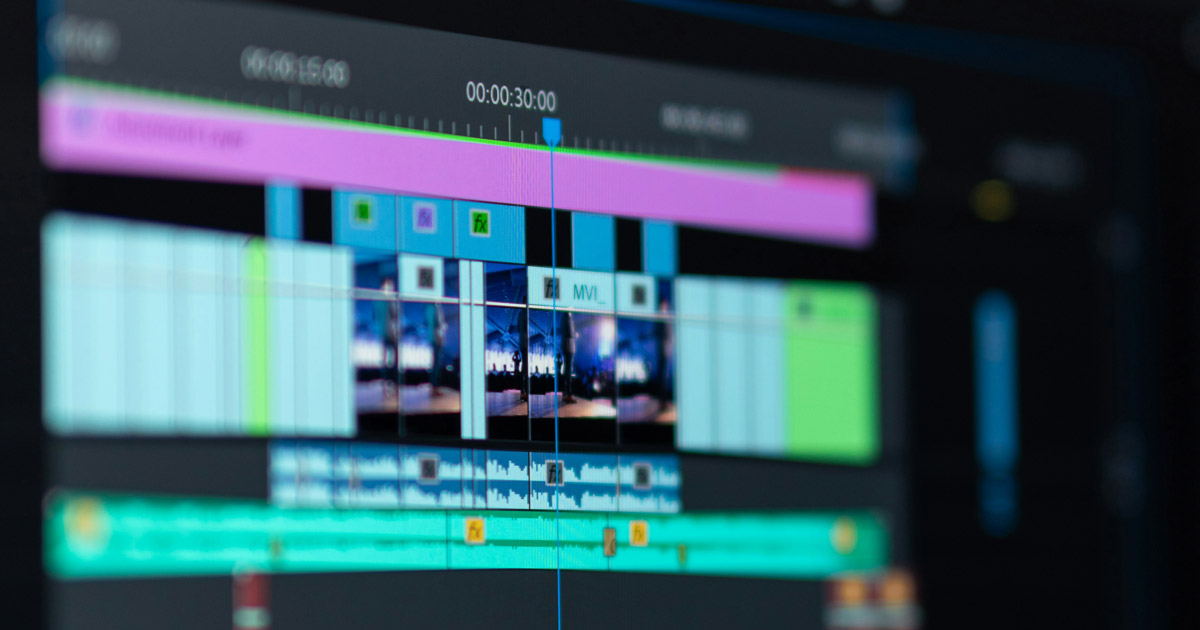
Timecode is a system that assigns a unique numerical address to every frame of video. It reads in four parts: hours, minutes, seconds, frames. A timecode of 00:01:45:12 means one minute, 45 seconds, and 12 frames into the recording.
Every professional camera records timecode alongside the image. Every frame has a unique address. That's the foundation of how professional video editing works.
In a single-camera shoot, timecode keeps the editor oriented in the footage. In a multi-camera shoot, it's what makes synchronization possible. If three cameras are running simultaneously with matching timecodes, an editor can cut between them with frame-level precision, no manual syncing required.
For productions with dedicated sound recorders, timecode syncs audio to picture automatically. When the sound mixer and the camera operator are both running timecode from the same source, the editor has everything aligned before the first cut.
Mismatched timecodes between cameras create sync problems. Non-continuous timecode (caused by stopping and restarting a camera between shots, for example) makes the editor's job harder and introduces opportunities for error. These are small problems that compound across a large project.
On productions run at Purple Donut Studios, timecode management is part of pre-production planning. It's one of those things that the crew handles invisibly, and that the edit benefits from quietly.
Good production is full of systems like timecode: infrastructure that's invisible to the audience but essential to the people making the work. If you want to see what meticulous production management looks like in practice, let's talk.