Blog
No tripod? Here's how to stabilize your shots anyway.
When the full kit isn't available, tabletop tripods, improvised supports, and magnetic mounts can stabilize a shot. Smooth moving shots are a different problem.
When the full kit isn't available, tabletop tripods, improvised supports, and magnetic mounts can stabilize a shot. Smooth moving shots are a different problem.
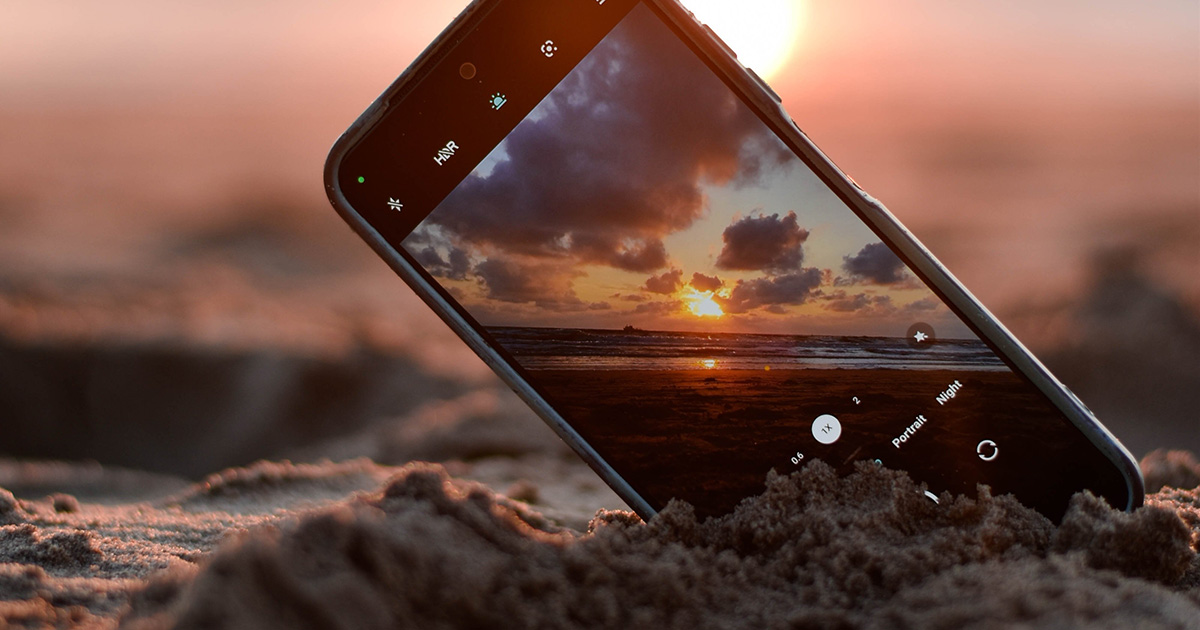
Shaky footage draws attention to the camera rather than the subject. It signals to the viewer, consciously or not, that the production wasn't fully in control. On social, where the tolerance for imperfection is higher, it's forgivable. In a brand video or commercial context, it's a problem.
The good news: stabilization doesn't always require a full-size tripod.
A tabletop tripod is the most practical backup. Small enough to throw in a bag, stable enough for interviews, sit-down content, and most static shots. If you're doing any amount of video production without one in your kit, fix that first.
For fully improvised situations: books, a sturdy glass, a folded jacket. Anything with a flat surface and enough height can substitute for a proper support. It won't give you pan or tilt, but for a locked-off shot it works.
Magnetic phone mounts are worth knowing about for specific situations: metal surfaces, vehicle interiors, anything where a clamp isn't practical. Niche tool, but useful when you need it.
Static improvised shots are manageable. Smooth moving shots without a gimbal or slider are much harder to fake. If movement is part of your shot, invest in the right equipment or lock the shot off. There's no good hack for a smooth tracking shot on a budget, only varying degrees of almost.
At Purple Donut Studios, we use gimbals, sliders, and full-size tripod systems depending on what each shot calls for. Stabilization is never an afterthought.
If your current video content is suffering from shaky footage or inconsistent production quality, let's talk about what a production partnership could look like.