Blog
The rule of thirds: the simplest way to make your videos look more intentional
Dividing your frame into a nine-part grid and placing subjects at the intersections creates footage that feels composed rather than just captured.
Dividing your frame into a nine-part grid and placing subjects at the intersections creates footage that feels composed rather than just captured.
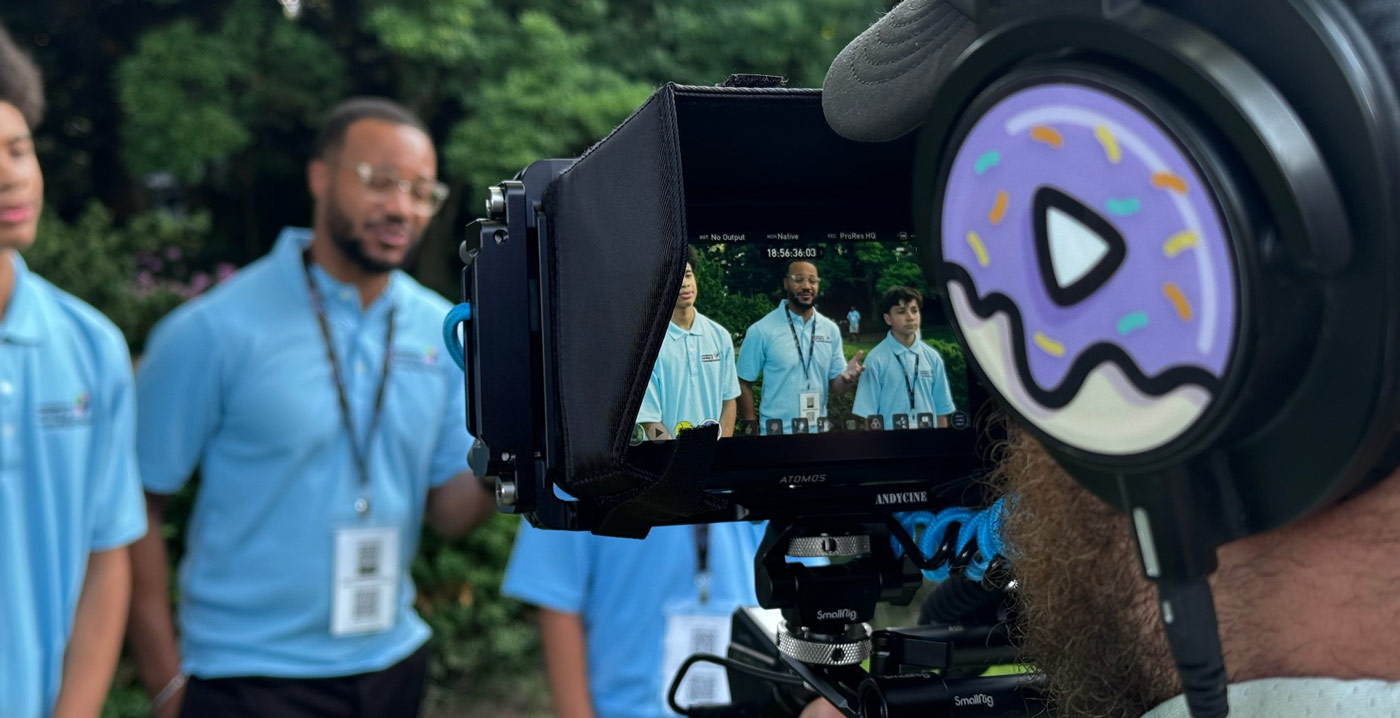
Divide your frame into a three-by-three grid: two vertical lines, two horizontal lines, nine equal sections. The rule of thirds says that the most visually interesting placement for your subject isn't dead center. It's at or near one of the four points where those lines intersect.
Most cameras and smartphones have a grid overlay option built in. Turn it on. Use it.
Centered compositions can feel static or confrontational. Placing a subject at an intersection point creates space in the frame: room to look into, room for the scene to breathe, room for the eye to travel. The result is footage that feels composed rather than captured.
It's a small adjustment with a disproportionate impact on how professional your work looks.
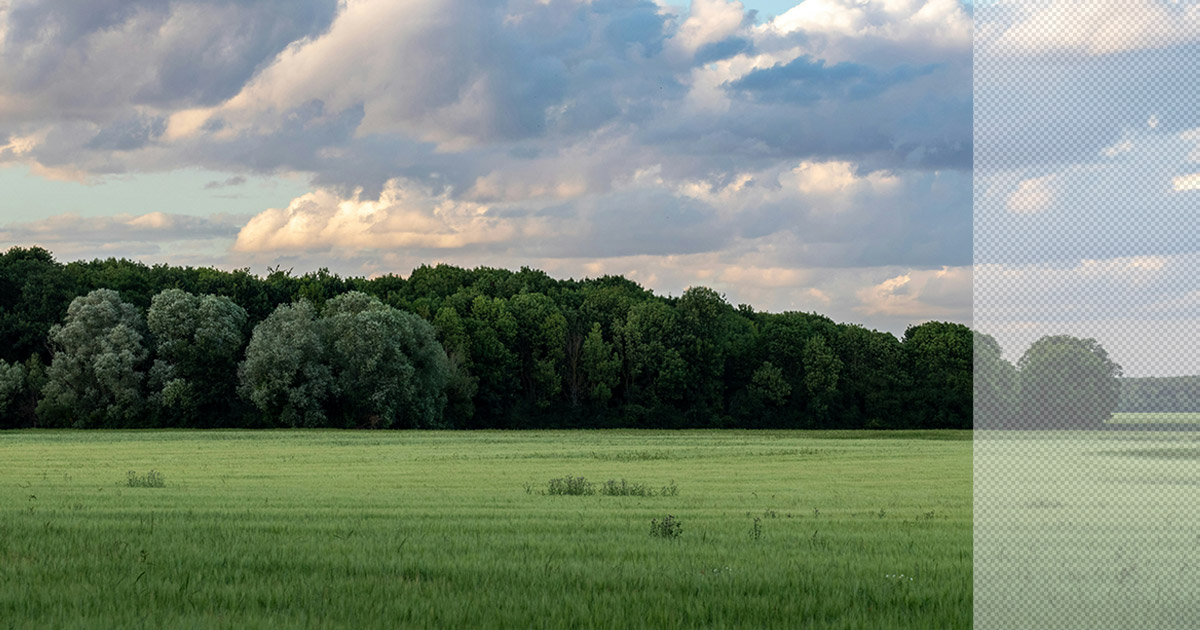
In interviews, placing the speaker at a left or right intersection gives them natural sightlines into the frame, which reads as conversational and engaged. In product shots, the intersection points draw focus to the subject while leaving room for context. In landscape and location footage, placing the horizon on the upper or lower third emphasizes either the sky or the ground, depending on what's more interesting.
The rule isn't absolute. Sometimes a centered frame is exactly right. But knowing the rule means you're making that choice deliberately, not by default.
At Purple Donut Studios, we think about framing the same way we think about lighting, audio, and pacing: as a tool in service of the story. The rule of thirds is where that thinking starts.
If you want to see what intentional composition looks like in practice, take a look at our work, or reach out and let's talk about your next project.