Blog
Depth of field: how to make your subject stand out from the background
Shallow depth of field blurs the background while keeping your subject sharp. Aperture, focal length, and subject distance all play a role.
Shallow depth of field blurs the background while keeping your subject sharp. Aperture, focal length, and subject distance all play a role.

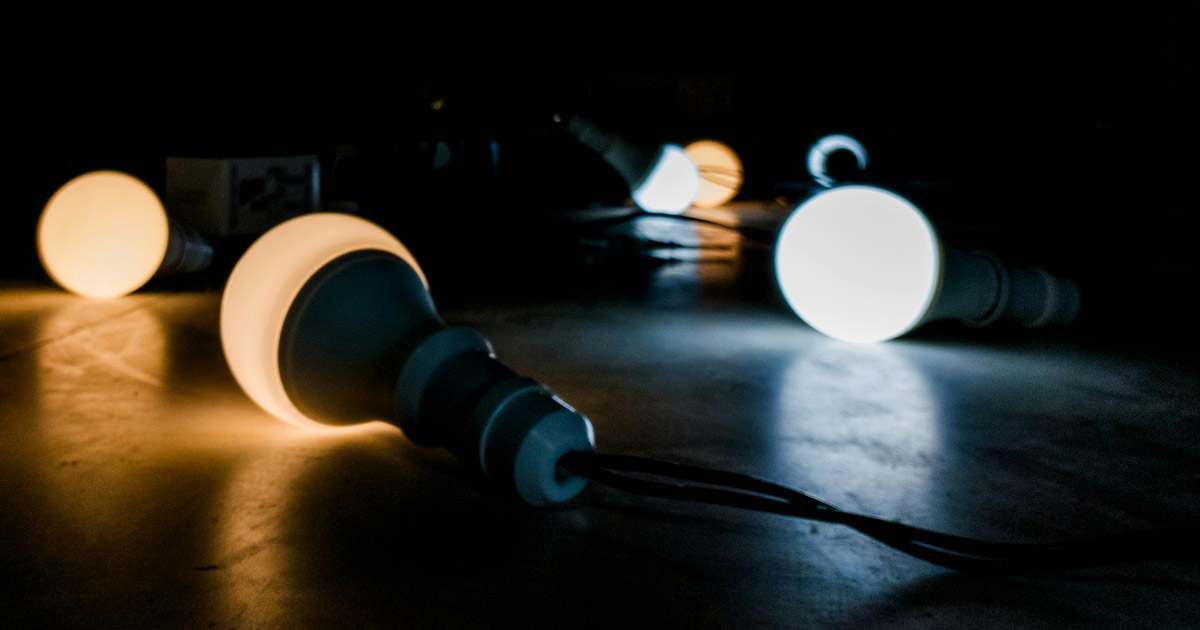
Depth of field describes the range of distance in a shot that appears in sharp focus. A shallow depth of field means only a narrow band is sharp: your subject in focus, the background softly blurred. A deep depth of field keeps everything from foreground to background sharp.
The blurred background look that reads as professional video is shallow depth of field. It's not a filter. It's a property of how the lens and sensor work together.
Four variables control depth of field: aperture, focal length, distance between subject and camera, and distance between subject and background.
Wide apertures (lower f-stop numbers like f/1.8 or f/2.8) produce shallower depth of field. Longer focal lengths compress the background and increase blur. The farther your subject is from the background behind them, the more separated the two will appear. These variables compound: a wide aperture on a long lens with the subject well away from the background produces a very shallow depth of field indeed.
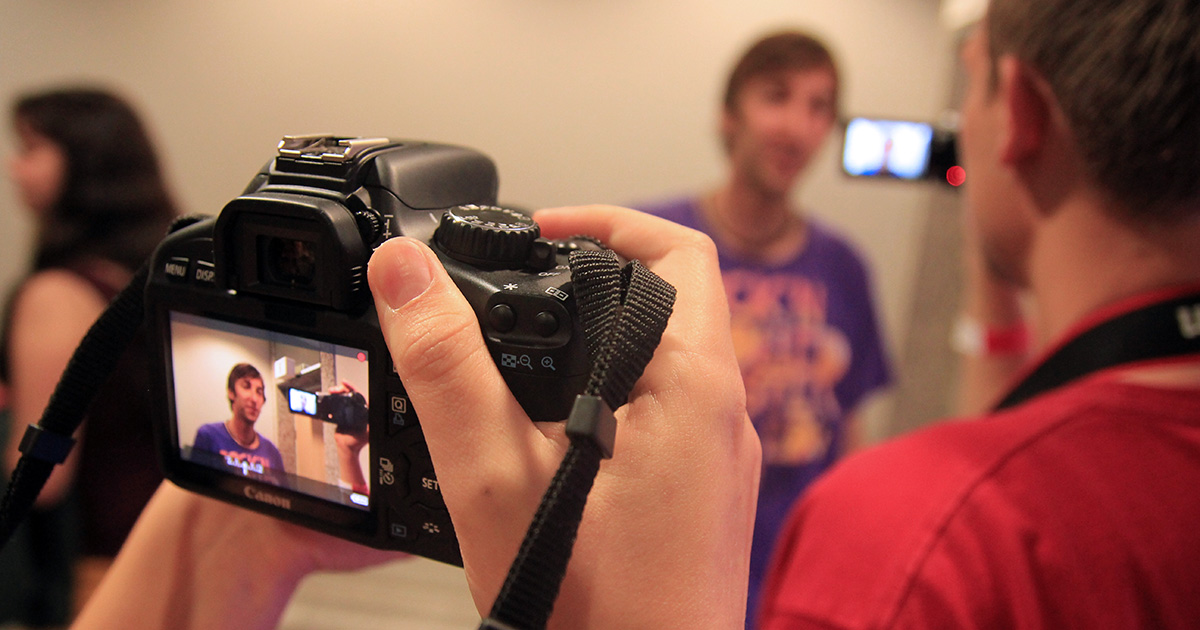
Shallow depth of field is the right choice when you want to isolate a subject and remove background distraction: interviews, product close-ups, anything where the frame needs a single clear focal point.
Deep depth of field is the right choice when context matters: location shots, event coverage, wide establishing frames where you want the viewer to see and read the whole scene.
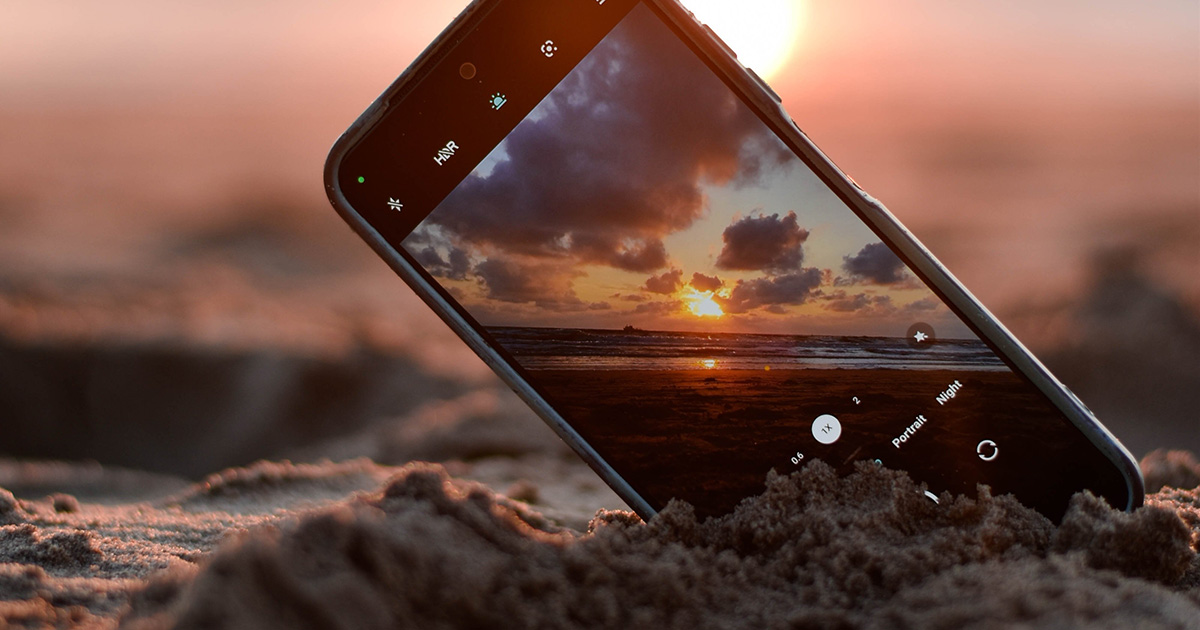
At Purple Donut Studios, we use professional cinema cameras with high-quality lenses specifically because these choices affect the final image. A phone camera and a cinema camera don't produce the same depth-of-field characteristics, regardless of how they're set up.
If the look and feel of your video matters to your brand, let's talk about what the right production setup actually looks like for your project.