SoloQ: a Kickstarter success story that needed imagery to match
SoloQ had a hit product and no real-world imagery to show for it. Purple Donut Studios built two studio environments, engineered a sequence of custom rigs, and extracted stills directly from 12K video footage.
A product with real traction and no real-world photography to match
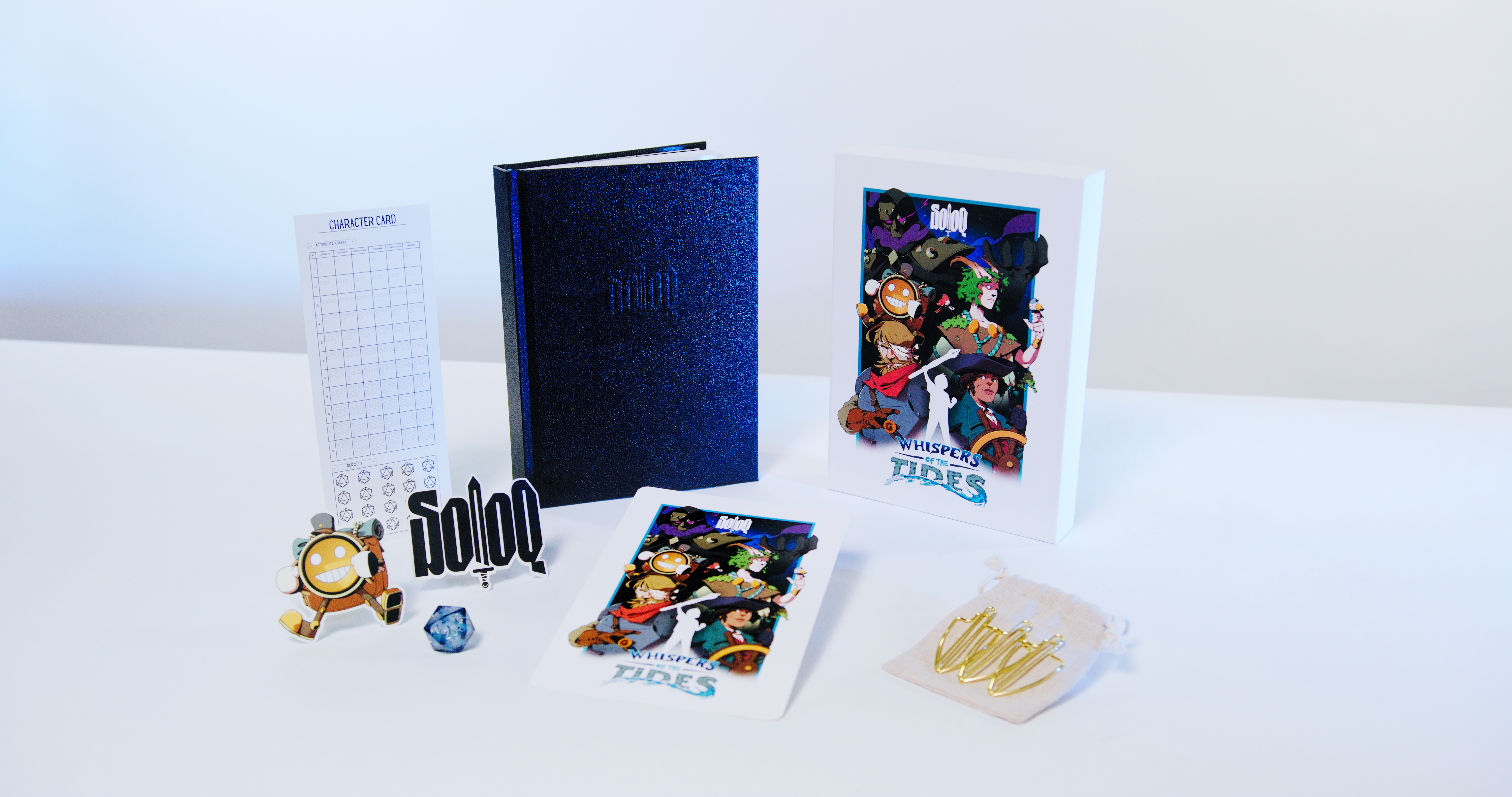
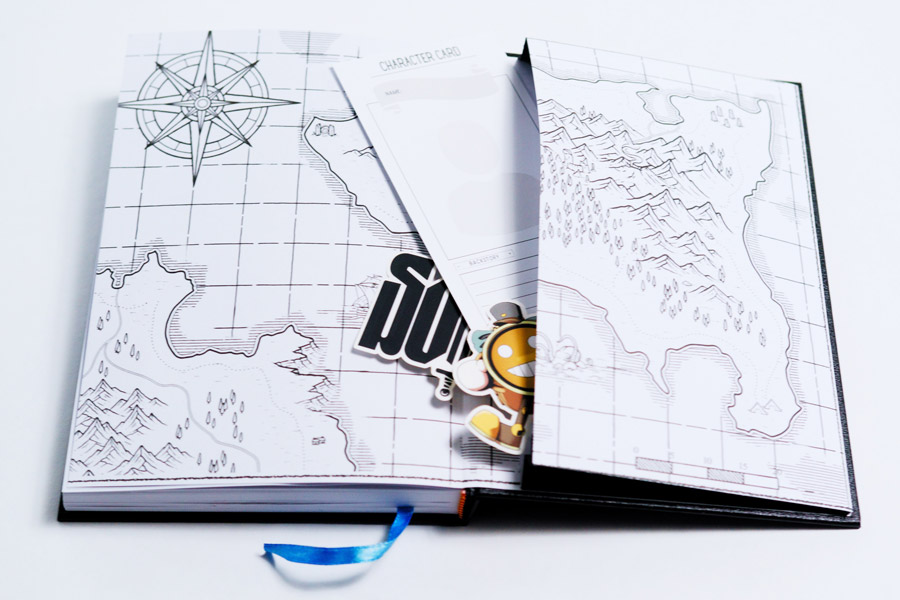
SoloQ makes physical planners built around solo tabletop RPG mechanics. Treat your goals like quests, your habits like skills, and your progress like something worth tracking. The product launched through Kickstarter, earned coverage from outlets including Critical Role, and moved into active retail fulfillment. What it didn't yet have was photography and video that showed the planner in someone's actual hands, in a real space, being used. The online storefront and social channels were still running on pre-production visuals. For a product that sells on how it feels to hold and use, that was a gap worth closing.
They needed two different kinds of content from the same project: clean product shots for the storefront and lifestyle footage that showed the planner inside someone's actual day. Purple Donut Studios built both.
Two fully dressed studio environments, one camera
Rather than running separate photo and video shoots, everything was captured on a single 12K camera. The best frames from the footage were pulled as stills, which meant every moment of the shoot was captured and the strongest frames became product photos — with a consistent look across every deliverable.
The studio was divided into two distinct environments. One side was a white seamless backdrop for clean product shots. The other was a built living room set, dressed to feel lived-in without being distracting, where models were blocked to show the planner being used, not just displayed for a photo.
The shots that required real problem-solving
Some of the most useful content in the final library came from setups that took patience to engineer. A fishing line rig pulled the planner out of its own dust jacket in a single clean motion. A slow-motion dice sequence required rolling over and over until the timing, placement, and motion in frame were exactly right. The goal throughout was content that makes someone want to pick the product up, not just look at it.
SoloQ walked away with a library that works across every surface their audience encounters first.